Author: Maone van Cobain

  • Top Gaming Developers of 2023: Leading the Way with Innovative Games

    Top Gaming Developers of 2023: Leading the Way with Innovative Games

    The gaming industry is constantly evolving, with new technologies and creative ideas shaping the way we play and interact with virtual worlds. In 2023, several gaming developers have risen to the forefront, pushing the boundaries of innovation and delivering unforgettable gaming experiences. In this article, we will explore the top gaming developers of 2023 and showcase a sample game for each developer, highlighting their unique contributions to the industry.

    Top PC Gaming Developers

    Top Gaming Developers of 2023 - Leading the Way with Innovative Games Pict2 Infortechno

    PC gaming continues to be a thriving platform for gamers worldwide, offering unparalleled graphics, customization options, and diverse gaming experiences. In 2023, several PC gaming developers have captured the attention of players with their exceptional creations. In this article, we will explore the top PC gaming developers of 2023, including Konami, and showcase their best games, highlighting their innovation, craftsmanship, and dedication to the platform.

    Electronic Arts (EA)

    EA is a major player in the gaming industry, known for their diverse portfolio of games spanning various genres. In 2023, they captivate players with “Dragon Age 4,” the highly anticipated next installment in the beloved RPG franchise. With its rich storytelling, expansive world, and engaging gameplay, “Dragon Age 4” offers a deep and immersive experience that resonates with PC gaming enthusiasts.

    Valve Corporation

    Valve Corporation has long been a prominent figure in the PC gaming landscape, renowned for their digital distribution platform, Steam, and critically acclaimed titles. In 2023, they astound players with “Aperture Resurgence,” a highly anticipated sequel to the iconic Portal series. This mind-bending puzzle game combines innovative gameplay mechanics, intricate level design, and a captivating narrative, challenging players to navigate through a series of diabolical tests.

    CD Projekt Red

    CD Projekt Red has made a significant impact on the PC gaming industry, most notably with their groundbreaking “The Witcher” series. In 2023, they showcase their prowess once again with “CyberPunk Chronicles,” an open-world RPG set in a dystopian future. The game presents players with a sprawling metropolis to explore, offering unparalleled player choice, immersive storytelling, and breathtaking visuals that fully utilize the power of high-end PCs.

    Epic Games

    Epic Games, the creators of the widely popular Unreal Engine, have solidified their position as a top PC gaming developer. In 2023, they release “Chronos: Eternity’s End,” an action-adventure game that pushes the boundaries of graphical fidelity. With cutting-edge technology, realistic physics, and stunning visuals, players embark on an epic quest across multiple dimensions, battling formidable enemies and unraveling the mysteries of time.

    Konami

    Konami, known for their diverse portfolio of games, including the legendary “Metal Gear Solid” series, has a strong presence in PC gaming. In 2023, they captivate players with “Silent Hills: Resurgence,” a highly anticipated horror game that resurrects the beloved franchise. With atmospheric environments, psychological terror, and innovative gameplay mechanics, Konami delivers a chilling experience that will keep players on the edge of their seats.

    Larian Studios

    Larian Studios has gained recognition for their exceptional role-playing games, particularly with the critically acclaimed “Divinity: Original Sin” series. In 2023, they deliver “Baldur’s Gate III,” a highly anticipated sequel to the beloved franchise. This epic RPG takes players on a gripping journey, featuring deep character customization, immersive storytelling, and strategic turn-based combat, making it a must-play for PC gaming enthusiasts.

    Paradox Interactive

    Paradox Interactive has carved a niche in the PC gaming industry with their immersive strategy titles. In 2023, they introduce “Empire of Ages,” a grand strategy game that spans centuries, offering players the chance to shape the destiny of nations. With complex diplomacy, meticulous resource management, and deep historical accuracy, this game provides a captivating experience for strategy enthusiasts seeking to conquer the world.

    Ubisoft

    Ubisoft, a multinational gaming company, has consistently delivered memorable gaming experiences across a range of genres. With franchises like “Assassin’s Creed,” “Far Cry,” and “Watch Dogs,” Ubisoft has captivated players with immersive open worlds, rich storytelling, and stunning visuals. In 2023, they continue to innovate with upcoming titles that promise to push boundaries and captivate players worldwide.

    Bethesda Softworks

    Bethesda Softworks, known for its deep and immersive RPGs, has garnered a dedicated fan base with iconic titles like “The Elder Scrolls” and “Fallout.” Their attention to detail, expansive worlds, and player-driven narratives have set them apart in the industry. With highly anticipated releases like “Starfield” on the horizon, Bethesda Softworks is set to captivate players once again with their unique blend of storytelling and open-world exploration.

    The top PC gaming developers of 2023, including Konami, continue to captivate players with their exceptional craftsmanship, innovative ideas, and dedication to the platform. From mind-bending puzzles to sprawling open worlds and haunting horror experiences, these developers push the boundaries of what is possible in PC gaming. As the industry evolves, we can expect even more extraordinary games from these developers, solidifying the PC gaming platform as a haven for immersive experiences, breathtaking visuals, and boundless creativity.

    Top Mobile Gaming Developers

    Top Gaming Developers of 2023 - Leading the Way with Innovative Games Pict3 Infortechno

    Mobile gaming has seen exponential growth in recent years, thanks to advancements in technology and the increasing popularity of smartphones. In 2023, several mobile gaming developers have emerged as leaders, pushing the boundaries of what is possible on mobile devices. In this article, we will explore the top mobile gaming developers of 2023 and showcase their best games, highlighting their innovation, creativity, and dedication to delivering outstanding mobile gaming experiences.

    Supercell

    Supercell has established itself as a dominant force in the mobile gaming industry, known for its addictive and visually appealing titles. In 2023, they continue to captivate players with “Clash Royale 2,” a strategic real-time multiplayer game that combines elements of tower defense, collectible cards, and online battles. With its engaging gameplay, stunning graphics, and competitive multiplayer features, “Clash Royale 2” sets the benchmark for mobile strategy gaming.

    King

    King, the studio behind the immensely popular “Candy Crush Saga,” has remained a key player in the mobile gaming market. In 2023, they enchant players with “Bubble Witch 4,” the latest installment in their bubble-popping franchise. This puzzle game offers a delightful combination of colorful visuals, captivating levels, and challenging gameplay, providing hours of addictive fun for players of all ages.

    Netmarble

    Netmarble has gained recognition for its high-quality mobile RPGs and immersive gaming experiences. In 2023, they introduce “A3: Awakening,” an epic fantasy MMORPG that immerses players in a rich and expansive world. With its stunning visuals, vast character customization options, and engaging combat mechanics, “A3: Awakening” sets a new standard for mobile MMORPGs, offering a deep and immersive experience on the go.

    Tencent Games

    Tencent Games has made a significant impact on the mobile gaming industry, with a diverse portfolio of titles that cater to various genres and player preferences. In 2023, they release “Peacekeeper Elite,” a mobile battle royale game that rivals the best in the genre. With its stunning graphics, intuitive controls, and intense multiplayer battles, “Peacekeeper Elite” delivers an exhilarating gaming experience that rivals its console and PC counterparts.

    Gameloft

    Gameloft has been a consistent presence in the mobile gaming space, known for their visually impressive and action-packed titles. In 2023, they impress players with “Asphalt 9: Legends,” the latest installment in their popular racing franchise. With its breathtaking graphics, realistic physics, and a wide range of licensed cars, “Asphalt 9: Legends” sets a new standard for mobile racing games, providing an adrenaline-pumping experience on the small screen.

    The top mobile gaming developers of 2023 continue to push the boundaries of what is achievable on mobile devices, delivering innovative, visually stunning, and immersive gaming experiences. From strategic battles and addictive puzzles to expansive RPGs and intense multiplayer action, these developers showcase their talent, dedication, and technological prowess. As mobile gaming continues to evolve, these developers will undoubtedly shape the future of the industry, providing gamers with captivating experiences that fit right in their pockets.

    Conclusion

    The top gaming developers of 2023 are pushing the boundaries of what is possible in the gaming industry, delivering innovative and immersive experiences for players worldwide. From epic MMORPGs to futuristic cyberpunk adventures and gripping narratives, these developers continue to captivate audiences with their creativity and dedication to quality.

    As we move further into the future, we can look forward to even more groundbreaking games from these visionary developers, shaping the gaming landscape for years to come.

  • Exploring Security Features in Windows 10 and Windows 11

    Exploring Security Features in Windows 10 and Windows 11

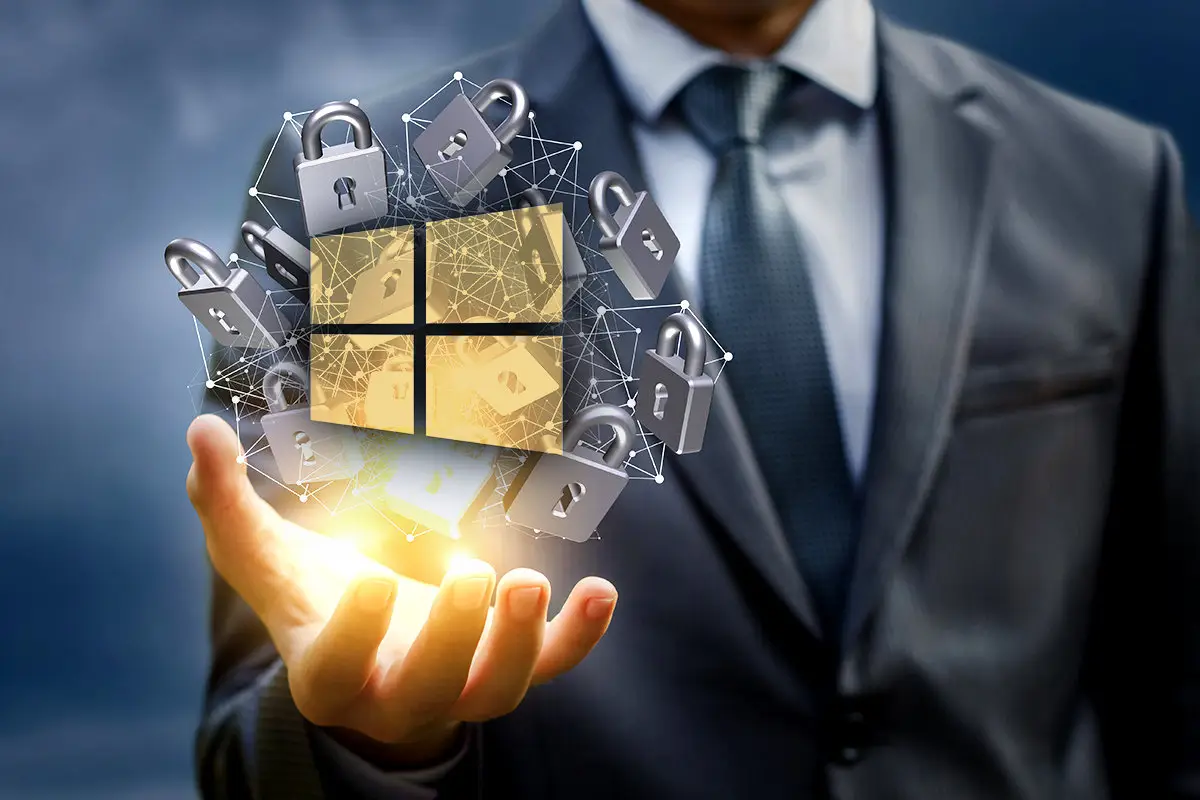
    In an increasingly digital world, maintaining robust security measures on your operating system is essential to protect your data and privacy. Both Windows 10 and Windows 11 come with built-in security features designed to safeguard your system against threats. In this article, we will explore the different security protections available in both Windows 10 and Windows 11, along with detailed instructions on how to configure security options on each version.

    Security Features in Windows 10

    Exploring Security Features in Windows 10 and Windows 11 Pict1Infortechno

    Windows Defender Antivirus

    Windows 10 includes a built-in antivirus solution known as Windows Defender Antivirus. It provides real-time protection against malware, spyware, and other malicious threats. Ensure that Windows Defender is enabled and regularly updated to benefit from the latest security definitions.

    Windows Firewall

    The Windows Firewall monitors network traffic and blocks unauthorized access to your system. You can configure the firewall settings by accessing the “Windows Security” app and navigating to “Firewall & network protection.” Customize inbound and outbound rules based on your specific requirements.

    Windows Hello

    Windows 10 offers Windows Hello, a biometric authentication feature that allows you to sign in to your system using facial recognition, fingerprint, or a PIN. To set up Windows Hello, go to “Settings,” select “Accounts,” and choose “Sign-in options.”

    BitLocker

    BitLocker is a full-disk encryption feature that protects your data in case of theft or unauthorized access. To enable BitLocker, right-click on the target drive in File Explorer, select “Turn on BitLocker,” and follow the on-screen instructions to set a password or use other authentication methods.

    User Account Control (UAC)

    UAC provides an additional layer of security by prompting for permission whenever changes are made that require administrative access. You can adjust UAC settings by going to “Control Panel,” selecting “User Accounts,” and choosing “Change User Account Control settings.”

    Security Features in Windows 11

    Exploring Security Features in Windows 10 and Windows 11 Pict2 Infortechno

    Windows Hello

    Windows 11 builds upon the Windows Hello feature in Windows 10 and offers enhanced facial recognition capabilities, making it easier and more secure to log in. To set up Windows Hello in Windows 11, go to “Settings,” select “Accounts,” and choose “Sign-in options.”

    Microsoft Defender Antivirus

    Windows 11 introduces Microsoft Defender Antivirus, an evolution of Windows Defender Antivirus. It provides advanced threat protection, including real-time scanning, cloud-based protection, and ransomware detection. Ensure that Microsoft Defender Antivirus is enabled and regularly updated.

    Secure Boot

    Secure Boot helps protect against boot-level malware by verifying the integrity of the operating system during startup. It ensures that only trusted software is loaded. Secure Boot is enabled by default on compatible hardware and can be managed through the system’s UEFI firmware.

    Windows Sandbox

    Windows 11 includes Windows Sandbox, a secure, isolated environment for testing potentially harmful applications. It allows you to run suspicious programs without risking damage to your system. To enable Windows Sandbox, go to “Settings,” select “Apps,” and choose “Windows Sandbox.”

    Windows Firewall

    Similar to Windows 10, Windows 11 includes Windows Firewall to control inbound and outbound network traffic. Access the “Windows Security” app and navigate to “Firewall & network protection” to configure firewall settings based on your preferences.

    How to Setting security Features on Windows 10

    Exploring Security Features in Windows 10 and Windows 11 Pict3 Infortechno

    Here’s a detailed guide on how to configure security features on Windows 10:

    Windows Defender Antivirus

    • Open the Start menu, type “Windows Security,” and select the app from the search results.
    • In the Windows Security app, click on “Virus & threat protection.”
    • Ensure that Real-time protection is turned on.
    • To update Windows Defender Antivirus, click on “Check for updates.”

    Windows Firewall

    • Open the Start menu, type “Windows Security,” and select the app from the search results.
    • In the Windows Security app, click on “Firewall & network protection.”
    • Under “Firewall & network protection settings,” make sure that the firewall is turned on for both private and public networks.
    • To customize firewall rules, click on “Allow an app through firewall” and manage the allowed apps and their permissions.

    Windows Hello

    • Open the Start menu, click on the “Settings” gear icon.
    • In the Settings app, select “Accounts.”
    • Click on “Sign-in options” in the left pane.
    • Under Windows Hello, choose your preferred authentication method (facial recognition, fingerprint, or PIN).
    • Follow the on-screen instructions to set up Windows Hello.

    BitLocker

    • Open File Explorer and right-click on the target drive (usually the C: drive).
    • Select “Turn on BitLocker.”
    • Choose a password or other authentication method for unlocking the drive.
    • Save a recovery key in case you forget your password.
    • Select the encryption method and click on “Next” to begin the encryption process.

    User Account Control (UAC)

    • Open the Start menu, type “Control Panel,” and select the app from the search results.
    • In Control Panel, click on “User Accounts.”
    • Select “Change User Account Control settings.”
    • Move the slider to set the desired UAC level. Lower settings provide less notification, while higher settings offer more security prompts. It is recommended to keep it at the default level or one notch below.

    Remember to regularly update Windows, including security patches and feature updates, to benefit from the latest security enhancements. Additionally, exercise caution while browsing the internet, avoid downloading files from untrusted sources, and use strong, unique passwords for your accounts.

    It’s worth noting that the steps provided may slightly differ based on your Windows 10 version or edition.

    How to Setting security Features on Windows 11

    Exploring Security Features in Windows 10 and Windows 11 Pict4 Infortechno

    Here’s a detailed guide on how to configure security features on Windows 11:

    Windows Hello

    • Click on the “Start” button and select the “Settings” gear icon.
    • In the Settings app, click on “Accounts.”
    • Select “Sign-in options” in the left pane.
    • Under Windows Hello, choose your preferred authentication method (facial recognition, fingerprint, or PIN).
    • Follow the on-screen instructions to set up Windows Hello.

    Microsoft Defender Antivirus

    • Click on the “Start” button and select the “Settings” gear icon.
    • In the Settings app, click on “Privacy & security.”
    • Select “Windows Security” from the left pane.
    • Ensure that Microsoft Defender Antivirus is turned on.
    • To update Microsoft Defender Antivirus, click on “Check for updates” under the Virus & threat protection section.

    Secure Boot

    • Restart your computer and enter the BIOS or UEFI firmware settings by pressing the appropriate key (e.g., F2, Del) during startup. The key to access these settings may vary depending on your device.
    • Look for the Secure Boot option in the firmware settings.
    • Enable Secure Boot if it is not already enabled.

    Windows Firewall

    • Click on the “Start” button and select the “Settings” gear icon.
    • In the Settings app, click on “Privacy & security.”
    • Select “Windows Security” from the left pane.
    • Click on “Firewall & network protection.”
    • Under “Firewall & network protection settings,” make sure that the firewall is turned on for both private and public networks.
    • To customize firewall rules, click on “Allow an app through firewall” and manage the allowed apps and their permissions.

    Windows Sandbox

    • Click on the “Start” button and select the “Settings” gear icon.
    • In the Settings app, click on “Apps.”
    • Select “Apps & features” from the left pane.
    • Click on “Optional features” under the Apps & features section.
    • Click on “Add a feature” and scroll down to find “Windows Sandbox.”
    • Select “Windows Sandbox” and click on “Install.”

    Device Encryption

    • Click on the “Start” button and select the “Settings” gear icon.
    • In the Settings app, click on “Privacy & security.”
    • Select “Encryption” from the left pane.
    • Under “Device encryption,” if the option is available, follow the prompts to enable encryption on your device.

    Remember to keep your system updated with the latest Windows updates and security patches. Additionally, exercise caution while browsing the internet, avoid downloading files from untrusted sources, and use strong, unique passwords for your accounts.

    Please note that the steps provided may slightly differ based on your Windows 11 version or edition.

    Key Differences in Security Features Between Windows 10 and Windows 11

    Here’s a table highlighting the key differences in security features between Windows 10 and Windows 11:

    Security FeaturesWindows 10Windows 11
    Windows HelloFacial recognition, fingerprint, PINEnhanced facial recognition for easier login
    Microsoft DefenderWindows Defender AntivirusMicrosoft Defender Antivirus
    (enhanced with cloud-based protection and
    ransomware detection)
    BitLockerFull-disk encryptionFull-disk encryption
    User Account ControlUser Account Control (UAC)User Account Control (UAC)
    Windows FirewallWindows FirewallWindows Firewall
    Secure BootSecure Boot enabled by defaultSecure Boot enabled by default
    Windows SandboxNot availableWindows Sandbox for running
    untrusted applications
    Device EncryptionAvailable on specific editionsAvailable on specific editions
    Virtualization-basedCredential Guard, Device Guard,Virtualization-based security features
    security featuresWindows Defender Application Guard,(Virtualization-based Security,
    Windows Defender System Guard,Secure Core PC, TPM-based protections)
    and more

    Please note that this table provides a general overview of the differences in security features between Windows 10 and Windows 11. It’s important to consider that specific features and capabilities may vary depending on the edition and version of the operating system.

    Conclusion

    Both Windows 10 and Windows 11 offer a range of security features to protect your system against threats. From antivirus solutions and firewalls to biometric authentication and encryption, these built-in features provide essential safeguards for your data and privacy.

    By following the instructions provided for each version, you can configure the security options according to your needs, helping to ensure a safe and secure computing experience on either operating system. Remember to keep your system and security software updated for optimal protection.

  • A Guide to Choosing the Right GPU for PC Gaming

    A Guide to Choosing the Right GPU for PC Gaming

    When it comes to PC gaming, having a powerful and suitable Graphics Processing Unit (GPU) is crucial. A high-quality GPU can significantly enhance your gaming experience, ensuring smooth gameplay and stunning visuals. However, with the market flooded with numerous options, selecting the right GPU can be overwhelming. In this article, we will provide you with a comprehensive guide on how to choose the right GPU for PC gaming, along with a list of the best GPUs currently available, complete with detailed analysis.

    Factors to Consider when Choosing a GPU

    Performance

    Look for GPUs that offer a balance between price and performance. Consider factors such as the GPU’s clock speed, number of cores, and memory bandwidth to determine its gaming capabilities.

    Budget

    Set a realistic budget before beginning your search. GPUs can vary significantly in price, so knowing your budget will help you narrow down your options.

    Resolution and Refresh Rate

    Determine the resolution and refresh rate you intend to play games at. Higher resolutions and refresh rates require more GPU power. Ensure that the GPU you choose can handle your desired settings.

    VR and Multi-Monitor Support

    If you plan to use virtual reality (VR) or multiple monitors, check if the GPU has the necessary features and connectivity options.

    Power Consumption

    Consider the power requirements of the GPU, including the recommended power supply wattage. Ensure your power supply unit can handle the GPU’s demands.

    Compatibility

    Check the compatibility of the GPU with your PC’s motherboard and ensure it fits into your PC case.

    Top GPUs for PC Gaming

    A Guide to Choosing the Right GPU for PC Gaming Top GPU Infortechno

    NVIDIA GeForce RTX 3080

    • Architecture: Ampere
    • Memory: 10GB GDDR6X
    • CUDA Cores: 8704
    • Clock Speed: 1.44 GHz (Boost: 1.71 GHz)
    • Recommended Resolution: 4K
    • VR and Multi-Monitor Support: Yes
    • Power Consumption: 320W
    • Notable Features: Real-Time Ray Tracing, DLSS, and AI Acceleration

    AMD Radeon RX 6800 XT

    • Architecture: RDNA 2
    • Memory: 16GB GDDR6
    • Stream Processors: 4,608
    • Clock Speed: 2.25 GHz (Boost: 2.35 GHz)
    • Recommended Resolution: 4K
    • VR and Multi-Monitor Support: Yes
    • Power Consumption: 300W
    • Notable Features: Smart Access Memory, Infinity Cache

    NVIDIA GeForce RTX 3070

    • Architecture: Ampere
    • Memory: 8GB GDDR6
    • CUDA Cores: 5888
    • Clock Speed: 1.5 GHz (Boost: 1.73 GHz)
    • Recommended Resolution: 1440p
    • VR and Multi-Monitor Support: Yes
    • Power Consumption: 220W
    • Notable Features: Real-Time Ray Tracing, DLSS, and AI Acceleration

    AMD Radeon RX 6700 XT

    • Architecture: RDNA 2
    • Memory: 12GB GDDR6
    • Stream Processors: 2,560
    • Clock Speed: 2.32 GHz (Boost: 2.58 GHz)
    • Recommended Resolution: 1440p
    • VR and Multi-Monitor Support: Yes
    • Power Consumption: 230W
    • Notable Features: Smart Access Memory, Infinity Cache

    NVIDIA GeForce RTX 3060 Ti

    • Architecture: Ampere
    • Memory: 8GB GDDR6
    • CUDA Cores: 4864
    • Clock Speed: 1.41 GHz (Boost: 1.67 GHz)
    • Recommended Resolution: 1440p
    • VR and Multi-Monitor Support: Yes
    • Power Consumption: 200W
    • Notable Features: Real-Time Ray Tracing, DLSS, and AI Acceleration

    Certainly! Here are some tips to help you keep your GPU stable while playing games:

    Ensure Proper Cooling

    Overheating can lead to instability and performance issues. Make sure your PC has adequate cooling, including proper airflow in the case, clean dust filters, and functioning fans. Consider additional cooling options such as aftermarket GPU coolers or case fans if necessary.

    Monitor Temperatures

    Use monitoring software to keep an eye on your GPU temperatures while gaming. High temperatures can indicate cooling issues. If temperatures consistently reach unsafe levels (usually above 90°C/194°F), consider improving your cooling setup or adjusting in-game graphics settings to reduce the workload on the GPU.

    Update GPU Drivers

    Keep your GPU drivers up to date. New driver updates often include performance improvements, bug fixes, and optimizations for specific games. Visit the manufacturer’s website (Nvidia or AMD) to download and install the latest drivers for your GPU model.

    Optimize In-Game Settings

    Adjusting in-game graphics settings can help balance performance and stability. If you notice instability or low frame rates, try lowering graphics settings such as anti-aliasing, shadows, or ambient occlusion. Experiment with different settings until you find a good balance between visual quality and smooth gameplay.

    Avoid Overclocking

    Overclocking your GPU can increase performance, but it also puts additional strain on the GPU and can lead to instability if not done properly. If you experience crashes or artifacts while gaming, consider reverting your GPU to its default clock speeds.

    Maintain a Clean System

    Dust accumulation can hinder proper cooling and lead to increased temperatures. Regularly clean your PC, including the GPU heatsink and fans, to prevent dust buildup. Use compressed air or an antistatic brush to gently remove dust without causing damage.

    Power Supply Considerations

    Ensure that your power supply unit (PSU) can handle the power demands of your GPU. Insufficient power supply can cause instability. Refer to the GPU manufacturer’s recommendations for the recommended PSU wattage and make sure your PSU meets or exceeds that requirement.

    Avoid Overloading Background Processes

    Close unnecessary background processes and applications while gaming. Resource-intensive programs running simultaneously can put an additional strain on your GPU, potentially causing stability issues. Consider using tools to manage startup applications and background processes to optimize system performance.

    Keep Your System Updated

    Regularly update your operating system and other software components to benefit from bug fixes, security patches, and performance optimizations. Keeping your system up to date can help ensure compatibility and stability with the latest games and drivers.

    By following these tips, you can help maintain the stability of your GPU while enjoying smooth and uninterrupted gaming sessions.

    Comparing Nvidia Geforce and AMD Radeon

    Certainly! Here’s a table comparing Nvidia GeForce and AMD Radeon GPUs:

    Nvidia GeForceAMD Radeon
    ArchitectureAmpere, Turing, Pascal, Maxwell, KeplerRDNA 2, RDNA, GCN, TeraScale
    Real-Time RayAvailable on RTX series (RTX 30, RTX 20)Available on select RX series
    Tracing(RX 6000, RX 5000 with RDNA 2)
    DLSSAvailable on RTX series (RTX 30, RTX 20)N/A
    MemoryGDDR6X, GDDR6, GDDR5X, GDDR5GDDR6, GDDR5, HBM2
    CrossFire/SLINo longer supported on newer GPUsNo longer supported on newer GPUs
    Smart AccessNoAvailable on RX 6000 series with Zen 3
    Memory (SAM)CPUs for improved performance
    Infinity CacheNoAvailable on RX 6000 series for
    improved bandwidth and latency
    CUDA Cores/StreamVaries per modelVaries per model
    Process Technology8nm (Ampere), 12nm (Turing),7nm (RDNA 2), 7nm (RDNA), 14nm (GCN),
    16nm (Pascal), 28nm (Kepler), etc.40nm (TeraScale)
    Power ConsumptionVaries per modelVaries per model
    Notable FeaturesDLSS, AI Acceleration, NVENC,Infinity Cache, Smart Access Memory,
    G-SYNC, Reflex, ShadowPlay, etc.FidelityFX, Radeon Anti-Lag,
    Radeon Boost, Radeon Chill, etc.

    Please note that this table provides a general overview, and specific features and capabilities may vary depending on the GPU model within each series. It’s always recommended to refer to the specifications of individual GPUs for detailed information.

    Conclusion

    Choosing the right GPU for PC gaming involves considering factors such as performance, budget, resolution, and compatibility. The list provided here features some of the best GPUs available, each with its own unique strengths and capabilities. Whether you opt for NVIDIA’s powerful RTX series or AMD’s feature-rich Radeon cards, be sure to assess your specific requirements and match them with the GPU that best suits your needs.

    With the right GPU, you can elevate your gaming experience and immerse yourself in the world of high-quality visuals and smooth gameplay.

  • Essential Tips to Protect Your Smartphone from Scams, Spyware, and Malware

    Essential Tips to Protect Your Smartphone from Scams, Spyware, and Malware

    Smartphones have become an integral part of our lives, holding a wealth of personal and sensitive information. However, they are also vulnerable to various threats, including scams, spyware, and malware. Protecting your smartphone from these risks is crucial to safeguard your privacy, data, and overall digital security. In this article, we will explore some essential tips to help you fortify your smartphone against scams, spyware, and malware.

    Keep Your Operating System and Apps Updated

    Regularly updating your smartphone’s operating system and apps is one of the most effective ways to protect it from potential vulnerabilities. Updates often contain security patches that address known security weaknesses, making it harder for scammers and hackers to exploit your device. Enable automatic updates or manually check for updates in your smartphone’s settings to ensure you are running the latest software version.

    Download Apps from Trusted Sources

    Stick to official app stores like Google Play Store (Android) or the App Store (iOS) to download apps. These platforms have strict security measures in place to detect and remove malicious apps. Be cautious of third-party app stores or websites, as they may host apps laced with spyware or malware. Read user reviews, check app ratings, and review the permissions required by the app before downloading.

    Be Wary of Suspicious Links and Phishing Attempts

    Avoid clicking on links from unsolicited emails, text messages, or unknown sources. Scammers often use phishing techniques to trick users into divulging personal information or installing malware. Check the sender’s email address or contact the organization directly to verify the legitimacy of any suspicious requests. Additionally, be cautious of fake websites designed to resemble legitimate ones, particularly when entering sensitive information.

    Install a Reliable Mobile Security App

    Consider installing a reputable mobile security app that provides real-time protection against scams, spyware, and malware. These apps can detect and block malicious activities, scan apps for potential threats, and offer additional features like anti-theft measures and remote data wiping. Research and choose a well-reviewed security app from a trusted developer to ensure maximum effectiveness.

    Use Strong, Unique Passwords and Biometric Authentication

    Protect your smartphone with a strong password, pattern, or PIN that is not easily guessable. Avoid using common passwords or easily identifiable information like birthdays. Better yet, enable biometric authentication methods such as fingerprint scanning or facial recognition for an added layer of security. Utilizing two-factor authentication for sensitive apps and accounts can also bolster your defenses.

    Be Cautious of Public Wi-Fi Networks

    Public Wi-Fi networks can be breeding grounds for cybercriminals. Avoid accessing or transmitting sensitive information when connected to public Wi-Fi, as these networks are often unsecured. If necessary, use a virtual private network (VPN) to encrypt your internet traffic and ensure a secure connection. Consider using your smartphone’s mobile data instead of public Wi-Fi whenever possible.

    Review App Permissions

    Regularly review and manage the permissions granted to installed apps on your smartphone. Some apps may request excessive access to your personal data or device functions that they don’t require to function properly. Be vigilant and deny unnecessary permissions that could potentially compromise your privacy.

    Best Mobile Security Apps in 2023

    Essential Tips to Protect Your Smartphone from Scams, Spyware, and Malware Pict1 Infortechno

    Certainly! Here is a list of some of the best mobile security apps in 2023 along with brief details about each app:

    Avast Mobile Security

    • Features: Real-time protection against malware, Wi-Fi security scanner, app locking, call blocker, VPN, and anti-theft features.
    • Platforms: Android, iOS.
    • Free and premium versions available.

    Bitdefender Mobile Security

    • Features: On-demand malware scanning, web protection, app locking, anti-theft, VPN, and account privacy monitoring.
    • Platforms: Android.
    • Free and premium versions available.

    Norton Mobile Security

    • Features: Malware detection, web protection, Wi-Fi security, app advisor, call blocking, anti-theft, and safe browsing.
    • Platforms: Android, iOS.
    • Free and premium versions available.

    McAfee Mobile Security

    • Features: Antivirus and anti-malware protection, web protection, Wi-Fi security, app privacy, anti-theft, and performance optimization.
    • Platforms: Android, iOS.
    • Free and premium versions available.

    Kaspersky Mobile Antivirus

    • Features: Real-time scanning, web protection, anti-phishing, call and text filter, anti-theft, and privacy protection.
    • Platforms: Android.
    • Free and premium versions available.

    Avira Antivirus Security

    • Features: Malware scanner, real-time protection, web protection, identity safeguard, anti-theft, and call blocker.
    • Platforms: Android, iOS.
    • Free and premium versions available.

    Sophos Intercept X for Mobile

    • Features: Antivirus and anti-malware, app protection, web filtering, Wi-Fi security, and device encryption.
    • Platforms: Android, iOS.
    • Free and premium versions available.

    Trend Micro Mobile Security

    • Features: Antivirus scanner, web protection, fraud and phishing protection, privacy scanner, and social media privacy.
    • Platforms: Android, iOS.
    • Free and premium versions available.

    Lookout Security & Antivirus

    • Features: Antivirus and malware protection, Wi-Fi security, identity protection, theft alerts, and safe browsing.
    • Platforms: Android, iOS.
    • Free and premium versions available.

    ESET Mobile Security & Antivirus

    • Features: Real-time scanning, app locking, anti-phishing, anti-theft, device monitoring, and call blocking.
    • Platforms: Android.
    • Free and premium versions available.

    Remember to research each app and consider your specific security needs before choosing the one that best suits you.

    Differences Between Android and iOS Security

    Certainly! Here’s a table outlining some key differences between Android and iOS security:

    Security AspectAndroidiOS
    App Store SecurityAllows third-party app installationsRestricted to the official App Store
    Malware ProtectionRequires antivirus apps for full protectionBuilt-in malware protection by default
    System UpdatesDependent on device manufacturers and carriersConsistent updates released by Apple
    App PermissionsGranular control over app permissionsLimited control; apps request permissions upfront
    Device EncryptionAvailable but not enabled by defaultEnabled by default on newer devices
    Jailbreaking/RootingAllows customization but exposes to risksNot recommended, as it compromises security
    FragmentationVarying levels of OS adoption and updatesConsistent OS updates and wider device support
    Biometric AuthenticationFingerprint, face unlock, or iris scanningFace ID (Face Unlock) or Touch ID (Fingerprint)
    Data Backup and EncryptionMultiple options availableEncrypted backup through iCloud
    Device ManagementOffers more flexibility for customizationProvides tighter control and restrictions

    It’s important to note that both Android and iOS have made significant improvements in terms of security over the years. While Android offers more customization options and a larger app ecosystem, iOS provides a more controlled and consistent environment with built-in security measures. Ultimately, the choice between Android and iOS depends on your personal preferences and priorities regarding security and functionality.

    Conclusion:

    Protecting your smartphone from scams, spyware, and malware is crucial in today’s digital landscape. By following these essential tips, you can significantly enhance the security of your device and safeguard your personal information.

    Remember to keep your software updated, download apps from trusted sources, exercise caution with suspicious links and phishing attempts, and use robust security measures such as mobile security apps and strong authentication methods. By adopting these practices, you can enjoy a safer and more secure smartphone experience.

  • Mastering SEO for E-commerce Website Optimization

    Mastering SEO for E-commerce Website Optimization

    In the digital age, having a strong online presence is vital for e-commerce businesses to thrive. However, with countless websites vying for consumer attention, it’s crucial to implement effective search engine optimization (SEO) strategies to ensure your e-commerce website stands out in search engine rankings. In this comprehensive guide, we will delve into the world of SEO for e-commerce, equipping you with the knowledge and tools necessary to drive organic traffic, increase conversions, and boost revenue for your online store.

    Understanding E-commerce SEO

    To lay a solid foundation, it’s essential to grasp the fundamentals of e-commerce SEO. We will explore the unique challenges and opportunities that e-commerce websites face, such as product pages, category optimization, and dealing with duplicate content. By understanding the intricacies of e-commerce SEO, you can tailor your strategies to align with the specific needs of your online store.

    Comprehensive Keyword Research

    Keyword research forms the backbone of any successful SEO campaign. Learn how to conduct comprehensive keyword research specific to your e-commerce website. Discover the best practices for identifying relevant keywords, understanding search intent, and leveraging long-tail keywords to attract highly targeted traffic. We will also discuss tools and techniques to uncover valuable keyword opportunities and stay ahead of the competition.

    On-Page Optimization for E-commerce Websites

    Optimizing your website’s on-page elements is critical for search engine visibility. Dive into the key on-page optimization factors for e-commerce, including optimizing product titles, meta descriptions, URLs, and heading tags. We will also explore the importance of unique and compelling product descriptions, user-generated content, and the effective use of schema markup to enhance your website’s visibility in search results.

    Building a Solid Site Structure

    A well-structured website not only improves user experience but also aids search engines in crawling and indexing your pages effectively. We will discuss best practices for organizing your e-commerce website, including logical category and subcategory structures, breadcrumb navigation, internal linking strategies, and creating a user-friendly XML sitemap.

    Technical SEO for E-commerce

    Technical SEO ensures that your website is optimized for search engine crawlers and provides a seamless user experience. Explore essential technical considerations for e-commerce websites, such as website speed optimization, mobile-friendliness, SSL encryption, canonicalization, and handling duplicate content issues. Understanding and implementing these technical aspects will enhance your website’s visibility and user satisfaction.

    Content Marketing and Link Building

    Content marketing and link building are pivotal for establishing authority and generating backlinks to your e-commerce website. Discover effective content strategies, including blog posts, guides, and videos, to engage your audience and drive organic traffic. Learn about link building techniques tailored for e-commerce, such as influencer outreach, guest blogging, and leveraging user-generated content.

    Conversion Rate Optimization (CRO)

    SEO and CRO go hand in hand when it comes to maximizing the revenue potential of your e-commerce website. Explore strategies for optimizing product pages, improving site navigation, implementing persuasive call-to-actions (CTAs), and enhancing the overall user experience. By focusing on CRO, you can turn your organic traffic into loyal customers and increase your e-commerce conversions.

    Monitoring, Analytics, and Continuous Improvement

    Tracking the performance of your SEO efforts is crucial to identify areas for improvement and capitalize on successes. Discover the importance of analytics tools, such as Google Analytics, to monitor key metrics, track conversions, and gain valuable insights into user behavior. We will also discuss A/B testing, ongoing optimization, and staying up-to-date with SEO trends to ensure your e-commerce website maintains a competitive edge.

    Top SEO e-commerce Websites

    MasterinTop SEO e-commerce WebsitesTop SEO e-commerce Websitesg SEO for E-commerce Websites - A Comprehensive Guide for Online Success Pict1 Infortechno

    Here are a few e-commerce websites that have been recognized for their strong SEO:

    Amazon

    Amazon is a global e-commerce giant that has consistently shown strong SEO performance. With its extensive product catalog, user-generated content, and strategic keyword optimization, Amazon has established itself as a dominant force in search engine rankings for a wide range of product categories.

    eBay

    eBay is another e-commerce platform that has demonstrated effective SEO strategies. Their focus on user-generated content, optimized product listings, and structured data markup has contributed to their strong visibility in search engine results.

    Etsy

    Etsy, a marketplace for handmade and vintage products, has gained recognition for its SEO efforts. Their emphasis on unique and descriptive product titles, well-optimized product descriptions, and engagement with relevant keywords has helped them rank prominently in search engine results.

    Wayfair

    Wayfair, an online furniture and home decor retailer, has implemented effective SEO techniques to drive organic traffic. Their strategic use of long-tail keywords, informative content, and user-friendly website structure have contributed to their success in search engine rankings.

    REI

    REI is an outdoor retail company that excels in SEO for its e-commerce website. Their focus on informative product descriptions, high-quality imagery, and helpful guides and resources has helped them establish authority and visibility in the outdoor gear and apparel market.

    Zappos

    Zappos, a renowned online shoe and clothing retailer, has implemented strong SEO strategies. They prioritize user experience, optimize product pages with relevant keywords, and provide detailed product information, all of which contribute to their visibility in search engine results.

    Remember, the SEO landscape is dynamic, and rankings can vary over time. It’s important to continuously adapt your SEO strategies based on industry trends and best practices. Conduct thorough research, monitor competitors, and stay updated with the latest SEO techniques to ensure the success of your e-commerce website

    Certainly! Here’s a table outlining the key differences between SEO for E-commerce Websites and SEO for traditional (non-e-commerce) websites:

    SEO for E-commerce WebsitesSEO for Traditional Websites
    GoalsDrive organic traffic and increase conversionsDrive organic traffic and achieve specific goals
    FocusProduct pages, categories, and product listingsServices, information, or content-focused pages
    KeywordsProduct names, descriptions, and specificationsTopics, keywords related to content or services
    On-Page SEOOptimizing product titles, descriptions, and URLsOptimizing page titles, headings, and content
    Site StructureCategorized product hierarchy and navigationLogical hierarchy and navigation structure
    Technical SEOAddressing duplicate content and canonical tagsFocus on website structure, URLs, and redirects
    User ExperienceProduct images, reviews, and seamless checkoutEasy navigation, clear information, and usability
    Conversion Rate Optimization (CRO)Optimizing product pages, calls-to-action (CTAs), and checkout processOptimizing landing pages, lead generation forms, and user flow
    Content StrategyUnique product descriptions, user-generated contentInformative articles, blog posts, or resources
    Link BuildingBuilding backlinks to product pages and categoriesBuilding backlinks to informative or useful content
    AnalyticsTracking conversions, revenue, and product performanceTracking conversions, traffic sources, and user behavior

    It’s important to note that while there are differences between SEO for e-commerce and traditional websites, there are also many overlapping principles and techniques. Both types of websites benefit from keyword research, on-page optimization, technical SEO, user experience improvements, and tracking analytics to measure success.

    Ultimately, the key differences lie in the specific optimization strategies required to enhance product visibility, drive conversions, and create a seamless user experience in the case of e-commerce websites, while traditional websites focus more on providing valuable content, lead generation, and achieving specific goals beyond direct sales.

    Conclusion

    Implementing effective SEO strategies is essential for e-commerce websites to gain a competitive advantage in the online marketplace. By following the comprehensive guide provided in this article, you now have the knowledge and tools to optimize your e-commerce website, drive targeted traffic, and boost conversions.
    Embrace the power of SEO for e-commerce and pave the way for long-term online success and sustainable growth for your business.